
Farming ranks among the most stressful occupations in the U.S., and on top of that, Idaho already has alarmingly high suicide rates, around 23.3 per 100,000 overall in recent years, which is well above the national average. The sad reality is that those suicide rates are even higher among men in agriculture (Centers for Disease Control and Prevention, 2025a; 2025b). Our local farmers are under financial pressure, face unpredictable weather and market swings, and are under an overwhelming cultural expectation to “rub some dirt on it” or “cowboy up” and get through it regardless of how they feel. All of these things just compound the strain and lead to silence and, in some cases, tragedy.




University of Idaho Extension recognized back in 2018 the growing mental health crisis Idaho farmers and ranchers were and are facing in small towns and cities across the state. Extension educators from eastern Idaho; Lance Hansen, a family consumer sciences educator from Madison County; and former educator Lance Ellis, an agricultural educator from Fremont County, stepped up and partnered directly with farmers and ranchers. They attended a key conference at Michigan State University in Lansing. They were joined by other extension professionals from across the nation to learn about Michigan State's approach to helping farmers weather the storm of stress, addressing everything from economic impacts and family tensions to the emotional turmoil that contributes to the overall mental health and potential suicide of farmers and ranchers. We brought back several tools we used as much as we could, and we presented at every conference and to as many people as possible. At that conference, we learned that the stakes are high and the need for this kind of education related to mental health was lacking, and that there are just too many suicides among our farmers and ranchers across the nation.
Along the way, we learned about WRASAP (Western Regional Agricultural Stress Assistance Partnership). Through our partnership, we secured grant funding to expand our efforts. Just as the funds arrived, Lance Ellis left for another career opportunity. We had to pivot fast, and we brought on David Callister from Butte County and Bracken Henderson from Franklin County, both of whom are agriculture educators. With our three-person Farm Stress Team, we move forward to keep the momentum going.
Connecting with rural Idaho
Our WRASAP grant proposal focused on connecting with 17 rural Idaho communities through in-person focus groups. We wanted to know what was going on and to find out why suicide rates were so high in rural communities. We traveled across the state, sitting down in school lunchrooms, community centers and in small local restaurants, basically anywhere we could get a group of people together to brainstorm and listen (to really listen) to what people are facing, and start coming up with solutions to the growing problem of the escalating suicide rates. The struggles weren't much different from town to town, as we anticipated. We learned that isolation had deepened after the COVID-19 pandemic, which cancelled several long-standing events, such as dairy days, picnics and fairs. Each of these 17 communities expressed that people missed the connections they had with their neighbors and friends, and this absence only fueled stress levels. Resources existed in pockets; some people knew about them, but the vast majority had no idea about the mental health resources available in their local communities. Every community voiced a deep worry and concern for the youth in their communities; no one wanted to hear about another youth suicide. Their care was genuine and urgent.
Courtesy image.
The task of traveling across the state led us to recruit two more extension educators and hire a part-time employee to help us coordinate our travel. We added Talje Hoene to help coordinate the community meetings and travel, along with two Family and Consumer Sciences extension educators, Tasha Howard from Canyon County and Kathee Tifft from Nez Perce County.
Stigma loomed large, with people saying the culture and the norm are to “tough it out” and “don't talk about it or you're weak.” Cultural norms are hard to break – even if they're not correct, we learned that several people felt talking about mental health was risky and something to be ashamed of. The question came up several times in these community discussions: How do we approach a struggling neighbor, a family member or a friend who might be dealing with mental health issues without pushing them away? There's an assumption on both sides – a fear of saying the wrong thing keeps everyone silent, the person struggling and the person who could potentially help.
We gave each community $4,000 to implement their action plans with no top-down directives. They owned it. Ideas poured in: barbecues and park picnics to spark casual chats while sharing local resources; pamphlets distributed at schools and public locations; and a community pizza oven where folks could gather over a slice, share stories and have normalized mental health talks. Some revived canceled annual events that are held in public, neutral locations where everyone feels welcome. These low-key gatherings rebuilt connections and gently prompted people to seek help.
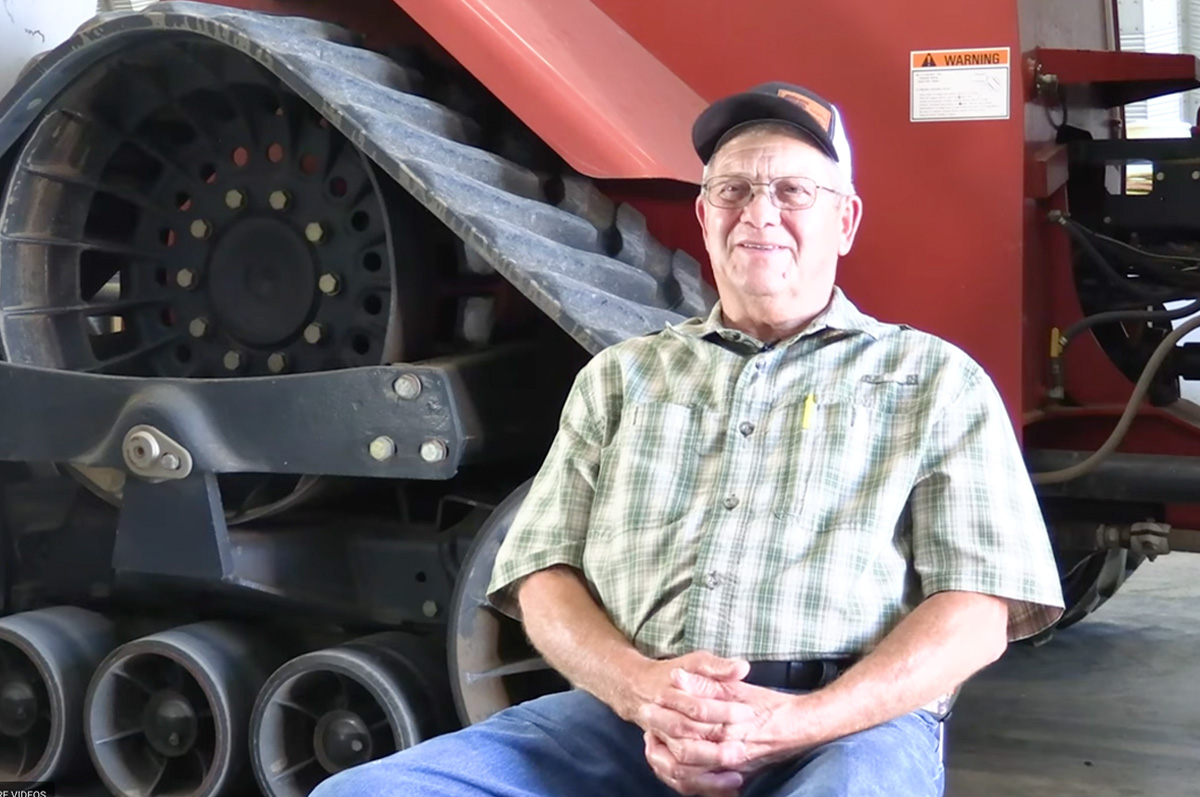
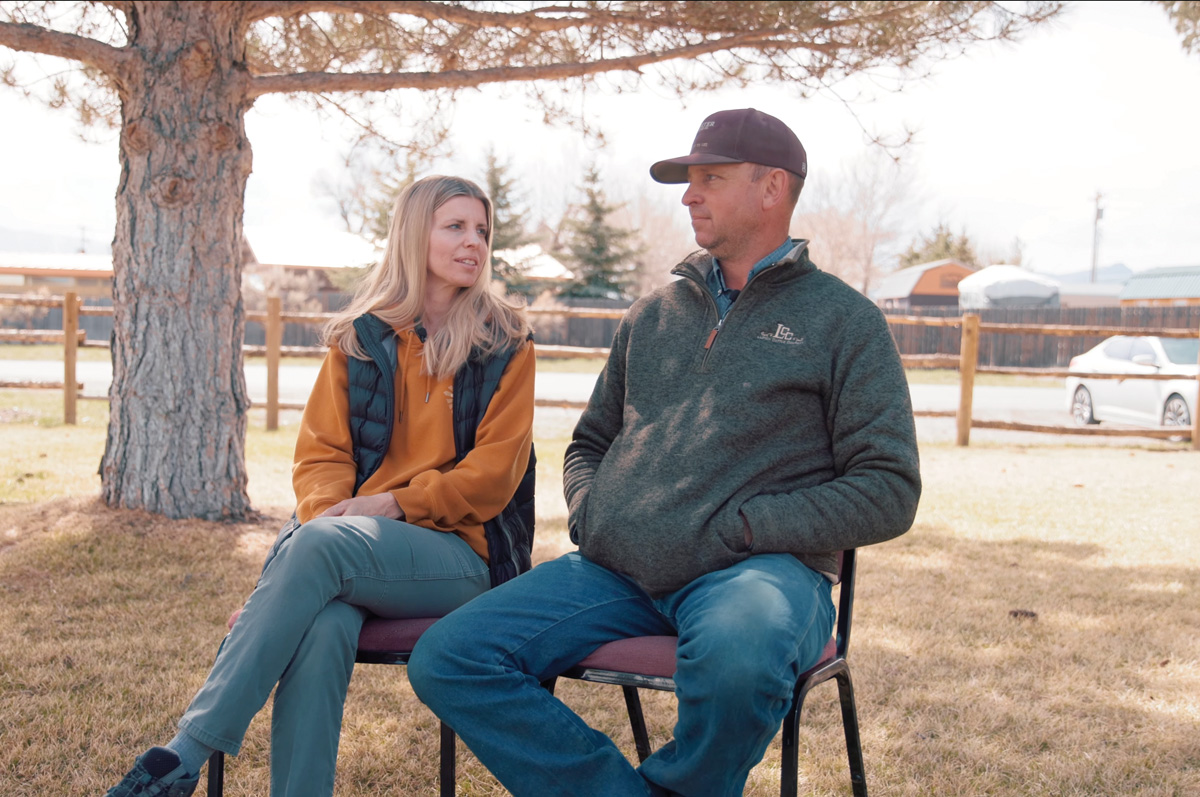
WRASAP continues to support our efforts. We applied for more grants, which led us to partner with Joel Benson at Idaho Farm Bureau. Together, we produced five powerful videos of real farmers and ranchers sharing unfiltered stories of overwhelming stress loss through suicide and how they weathered the storm and came out the other side. David Callister, a member of our Farm Stress Team, shared his own experience. The videos exceeded 100,000 views. Families approached the storytellers with thanks, saying, “You gave me hope.” These real stories showed viewers that they're not alone and helped break the isolation and stigma one view at a time.
Courtesy image.
These efforts shifted our approach. We evolved and, as a team, made changes to our presentation to make it more concise. It's about an hour and focuses more on prevention than crisis only. It covers recognizing chronic stress signs and how it affects our bodies and our minds, simple coping strategies, self-care basics and identifying your support group, those trusted folks you can reach out to without judgment. We emphasize naming them your people or your tribe, asking them to listen when you're struggling and letting them know that you will do the same for them. This short format fits busy lives with a face-to-face discussion that lets people ask questions and reflect.
One participant shared the following email:
Recently, in a phone conversation with a relative, she made the comment, "I don't know how much longer I will be around." Instantly, I recognized this to be one of the "indicator phrases" of someone who is considering suicide. With hardly a pause, I replied back, "Have you been thinking about suicide?" Her answer was yes. She and I continued to talk about options for help. A day later, when I was checking back in with her, she commented how grateful she was that I had asked if she was considering suicide. She said I was the first person who had taken her seriously and not just brushed the comment off. She said it was a relief that someone finally heard. Asking the question frankly gave her the chance to answer honestly and share what she was feeling. Feeling heard had given her hope.
To reach further, we added more team members: Selena Davila from Lincoln County and Klae O'Brien from Lewis County. We needed to expand and strengthen our presence statewide to better meet the needs of our farmers and ranchers.
Looking ahead
We're launching a podcast series aiming for 12 to 24 episodes annually, each with a fresh focus on real stories, coping tips, youth support and resource spotlights. We will produce three more videos this year and keep sharing authentic voices. The goal is to keep breaking stigma, spread hope and remind rural Idahoans they are valued and needed.
Idaho's strength shines in neighbors helping neighbors, dropping everything for a friend, a stranger or anyone who needs help. That's our foundation. If you're struggling, reach out to your people, call or text 988. There's no shame in asking for help; admitting struggle is a real strength.
We're here. Contact University of Idaho Extension Farm Stress Team if you'd like to share your story on the podcast, appear in a video or just talk about how we can support your community. Together, we're building a more hopeful future for Idaho's farmers, ranchers and families in rural towns, one conversation at a time.
To learn more and see the videos, visit online.